

Denis Pigeon and Lucien St-Amand, respectively President and VP e-Payments Solutions at PIREL Inc. will be in Toronto from May 5 to 7 for The Payments Canada SUMMIT.
PIREL

In the 2010s, digital transformation was framed as an all-or-nothing move: replace the stack, migrate the data, and start fresh. In 2026, we know the truth: that model has not aged well. Most leadership teams are now all too familiar with …
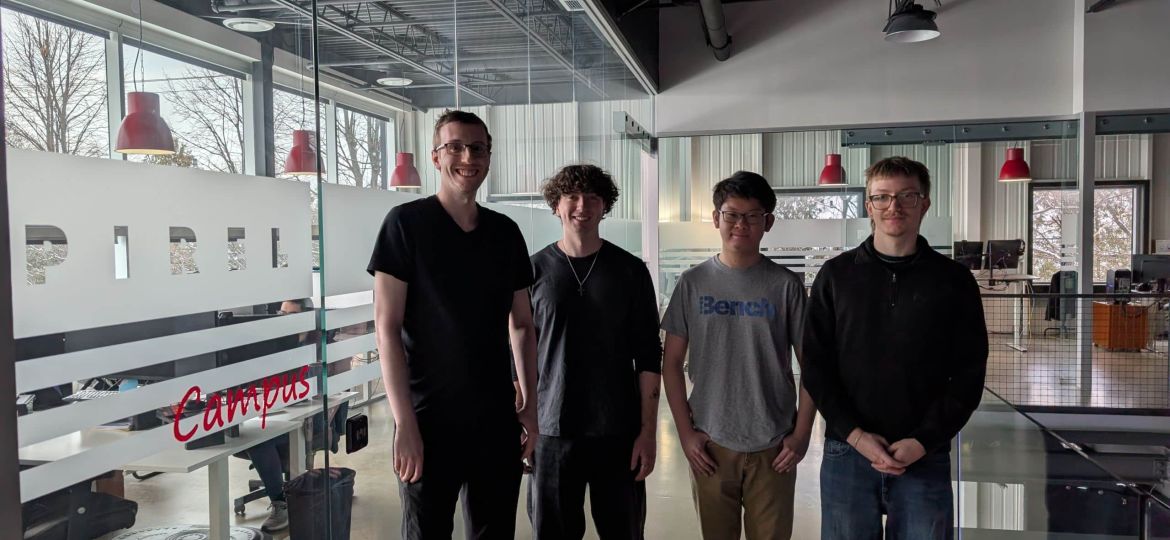
Welcome to our 5 interns ! Graduating students in Computer Science from Cégep Édouard-Montpetit and Collège CDI, they will be joining our Development and QA teams, where they will contribute to our internal projects.
Q1 2026 did not bring a major breakthrough in enterprise content management or ePayments, it brought clarity. Across the market, a clear pattern is emerging. Organizations are no longer experimenting with automation.
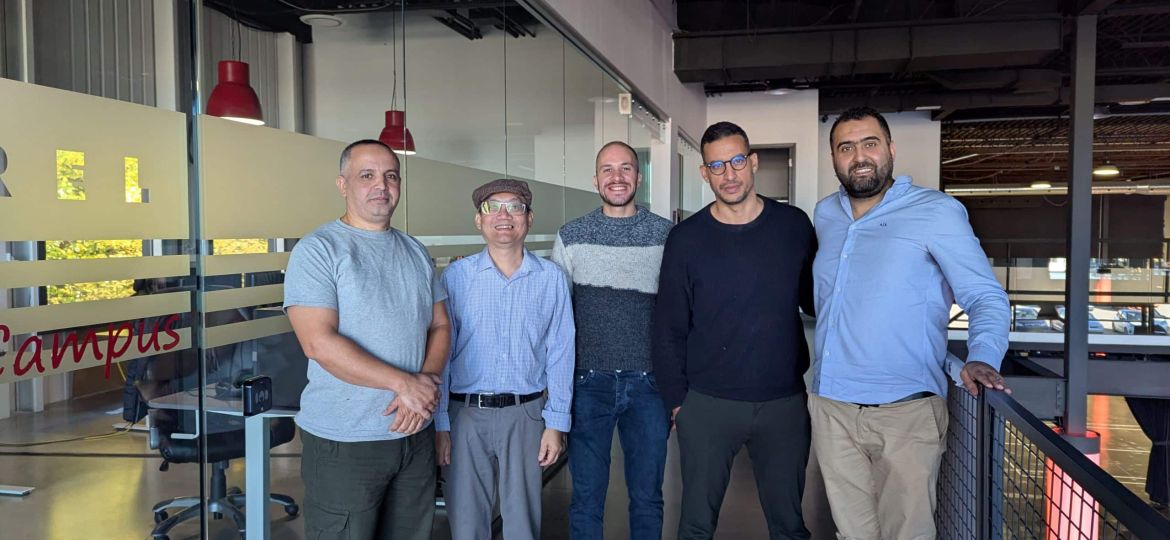
This week, we’re pleased to welcome five students from two different specialties at Collège de Bois-de-Boulogne. They’re joining the PIREL team for the next 8 weeks to put their knowledge into practice, explore new technological approaches, and contribute to real-world projects in their respective fields.

A CFO’s guide to the payment KPIs that optimize cost, control, and supplier trust – Payment intelligence is not limited to receivables. The insights that help CFOs accelerate incoming cash are…

A CFO’s guide to the payment KPIs that actually move the needle – As a follow-up to our discussion on Digital Excellence (point #4: data-driven decision making), this article moves from principle to practice.

Leadership advice often sounds familiar: vision, customer focus, governance, resilience. These aren’t new ideas. But the context in which they operate has changed dramatically. What was once best practice is now baseline.

Enterprise Content Management (ECM) systems were originally built to enforce compliance, manage storage, and control retention policies. Most still deliver on those promises. Yet they are often treated as static vaults. Silent containers of documents rather than dynamic sources of insight. Hidden in that stillness is a goldmine of operational intelligence that remains largely ignored.

Strategic planning is no longer enough. In a business climate defined by complexity and acceleration, leaders need something else. Not better predictions, but better preparedness. That’s …

On 16 July 2025, the World Economic Forum released its most focused and practical guide to date on quantum’s impact in finance. The white paper, Quantum Technologies: Key Strategies and Opportunities for Financial Services Leaders, is essential reading for anyone charged with securing or transforming financial systems.

The Promise, the Pressure, and the Gap – The appeal of ePayments is undeniable: faster cycles, lower costs, real-time visibility. But beneath the surface of most implementations lies a persistent blind spot, the absence of financial control. Many solutions excel at moving money quickly.

Most companies assume that once a payment gateway is in place, their digital payment infrastructure is solid. After all, gateways have been around for decades and remain the default connection between a checkout and a payment processor.

Why This Matters – In our 12 June post, What Long‑Term Tech Megatrends Mean for Finance, we quoted the KPMG 2025 Futures Report: “With new regulations such as the European Union AI Act and evolving North American standards, enterprises will soon be required to explain …

In our June 3 post, we cited a stat from Business Chief, quoting Gartner: “58% of finance teams were using AI in 2024—a 21-point increase from the year before.” But that stat raises a better question: What does “using AI” really mean in the day-to-day world of finance teams? It’s one thing to track adoption.

This article draws on insights from the newly released KPMG 2025 Futures Report—a sweeping look at the forces reshaping business over the next decade. We’ve sifted through its key signals to extract what matters most to finance, automation, and operational leaders in the real world.
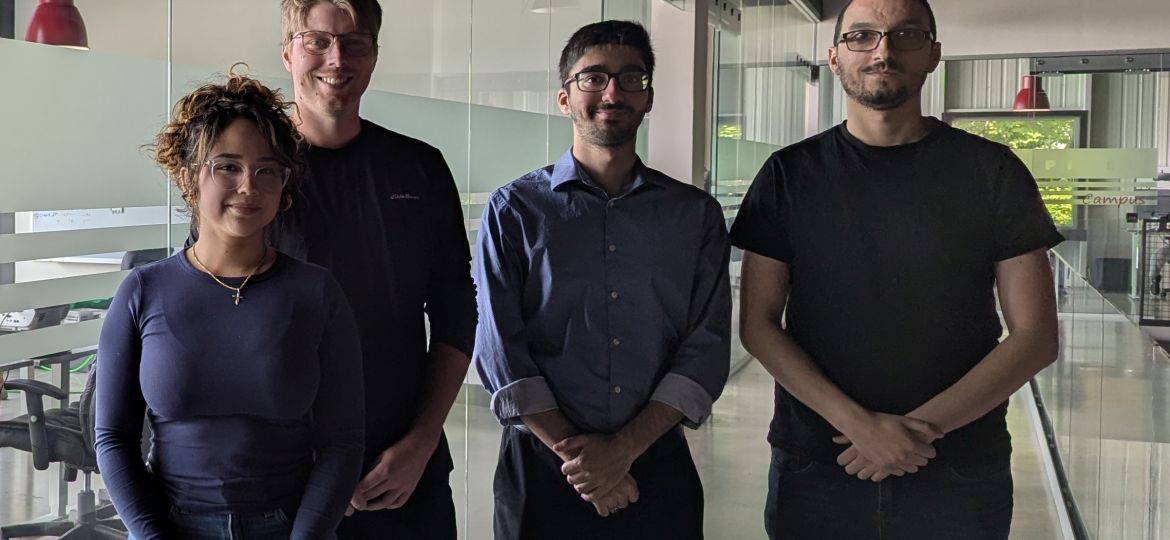
This week, we are pleased to welcome four students from the Collège de Bois-de-Boulogne, enrolled in the IT infrastructure and security program: Charles Goulet-Lapierre, Hassan Jalloul, Mohammed Gaoui, Stephanie Tatiana. They will be with us for the next eight weeks and …

Most organizations invest in AP/AR automation to improve efficiency. That’s a valid goal: faster approvals, shorter processing cycles, and reduced manual work are all good outcomes. But speed is not strategy. Automation should do more than accelerate workflows. It should generate clarity.

Last night marked the fifth edition of our Lobster Dinner, an annual event that brings together our clients and business partners. Nearly a hundred of us gathered at our offices to reconnect or make new acquaintances over drinks and followed by well-stocked tables. A sign of success: our blossoming bad reputation among crustaceans.

We love that quote! Thanks Brian Solis for bringing it to our attention, and don’t miss the video in his post. In the Agile and Lean universe, when we hear “continuous improvement”, it usually translates to iterations and increments inside a release plan.

We’re in an era defined by cloud-first mandates and AI-driven automation, and one of the most persistent illusions in digital transformation is the belief that once a document is scanned and saved, it’s archived. This mindset is not just outdated, it’s dangerous.

The global shift toward real-time payments (RTP) is accelerating. But where does Canada stand — and what does it mean for businesses looking to modernize their accounts payable (AP) and accounts receivable (AR) processes?

When it comes to B2B payments, we often hear businesses say, ”We’re not a financial institution. We don’t need all those controls.” Maybe it’s the Payments Canada SUMMIT still echoing in our minds, but here’s the truth: the risks you’re facing, from fraud to data breaches to cash flow disruptions, don’t care whether you’re a Fortune 500 bank or a growing distribution company.

Denis Pigeon, our President, will be at The SUMMIT in Toronto (May 6-8) to exchange ideas with leaders shaping the future of payment innovation. All topics are fascinating under the payments sun, but here are a few that are top of mind at PIREL

AP/AR automation is often marketed as a silver bullet—eliminate manual work, speed up approvals, and improve cash flow. Sounds ideal, right? But here’s the reality: automation alone won’t fix broken financial processes. The Real Problem? Inefficient Workflows and Siloed Systems
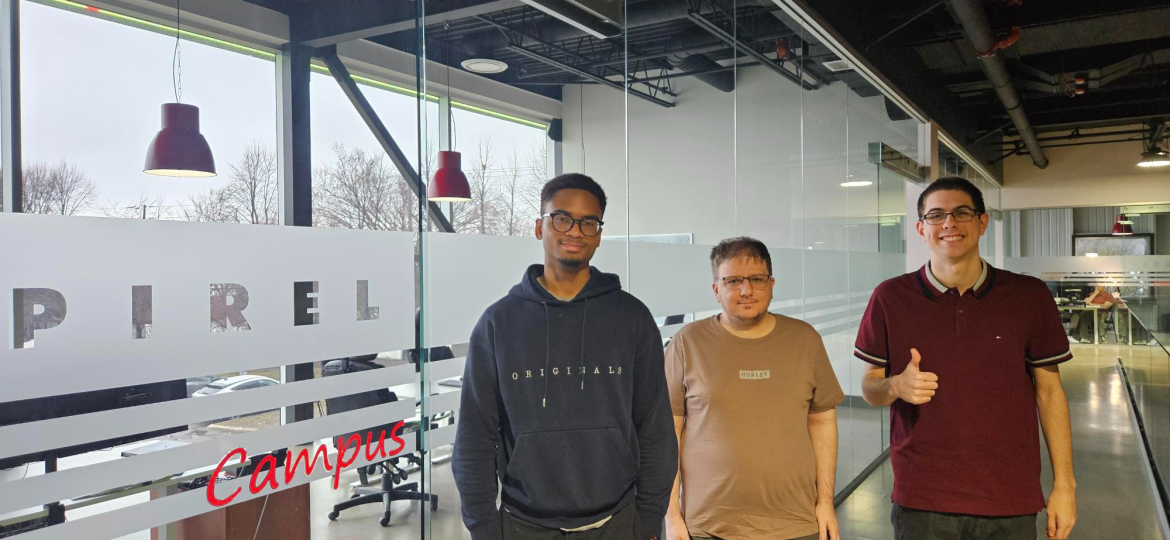
Just three weeks after welcoming our first group, we’re delighted to have Jean-Gabriel, Nicolas, and Samuel join us as QA interns for a 10-week period. Coming from Cégep Édouard-Montpetit and Cégep de Rosemont, this new cohort will primarily contribute to ongoing test automation efforts…

An ePayment solution is only as effective as its implementation. Too many companies face challenges like poor system integration, low user adoption, or compliance oversights—turning a promising tool into a missed opportunity.

At PIREL, we believe the best product isn’t the one that just follows the market—it’s the one that solves the next real problem a client brings to us. In software development, it’s easy to get caught up in roadmaps, market trends, competitor movements, and industry predictions. But our success has always come from delivering what our clients actually need.

This week at PIREL, we are delighted to welcome Ezatullah, Mbacké, and Olivier, three graduates from the Computer Science program at Cégep Édouard-Montpetit, who are joining our team as software development interns for a 10-week period.

Enterprise Content Management (ECM) should be more than just a digital filing cabinet. Done right, it optimizes information access, strengthens security, and ensures compliance—but many businesses struggle with implementation.

PIREL is in its 30th year of existence—over three decades of innovation, growth, and helping businesses embrace digital transformation from ECM to ePayments and everything in their orbits.

For many businesses, Accounts Payable (AP) and Accounts Receivable (AR) workflows are riddled with inefficiencies that quietly erode profitability, disrupt cash flow, and increase compliance risks.

As the year wraps up (neatly indexed and archived, of course), we want to thank our clients, partners, and team for making 2024 truly remarkable.

Are we really, today, totally digitally oriented? Can we afford not to be? The Digital-First approach is getting a bit of press these days. Companies that apply it are proactively seeking digital solutions, ensuring their competitiveness in a rapidly changing landscape.

In the context of our 30th anniversary, we’d like to share a bit of history and etymology with you today. Do you know the origin of our company’s name? If you don’t, let us tell you…

I’m very proud that PIREL is celebrating its 30th anniversary today, and doing so in a context of innovation and diversification that we wouldn’t have believed ourselves back in 1994.

Team PIREL enjoyed a dinner cruise on the St. Lawrence River last Thursday. It was our 3rd year in a row of this activity, and this year, aboard the AML Cavalier Maxim, it was as pleasant as ever.

We are proud to announce that PIREL has obtained its Money-Services Business (MSB) license from Revenu Québec and FINTRAC. What is FINTRAC? 👉 FINTRAC

The 4th edition of our annual lobster dinner took place on Wednesday May 29th in our offices. Nearly a hundred of us, clients and partners, regaled ourselves.